
How to Choose Sustainable (and Delicious) Seafood for Your Kitchen
Learn how to choose the most sustainable and delicious seafood options for your kitchen while supporting ocean health.
Choosing seafood can feel overwhelming. Farmed or wild? Fresh or frozen? Local or imported? Labels, certifications, and conflicting advice often leave home cooks unsure where to begin. But learning how to choose sustainable seafood doesn’t have to be complicated—and it doesn’t mean sacrificing flavor.
In fact, some of the most delicious seafood options are also the most responsible choices. With a little knowledge and intention, you can support ocean health, coastal communities, and your own kitchen all at once.
What Sustainable Seafood Really Means
Sustainable seafood is about balance—harvesting fish and shellfish in ways that protect marine ecosystems, allow populations to replenish, and support the people who rely on the water for their livelihoods. It considers how seafood is caught or farmed, where it comes from, and its impact on the environment.
Sustainability isn’t about perfection. It’s about making informed choices more often than not.
Start with What’s Abundant
One of the simplest ways to eat sustainably is to choose species that are plentiful and well-managed. Many lesser-known fish are just as flavorful as popular varieties—and often more affordable.
Instead of always reaching for the same few fish, explore options like:
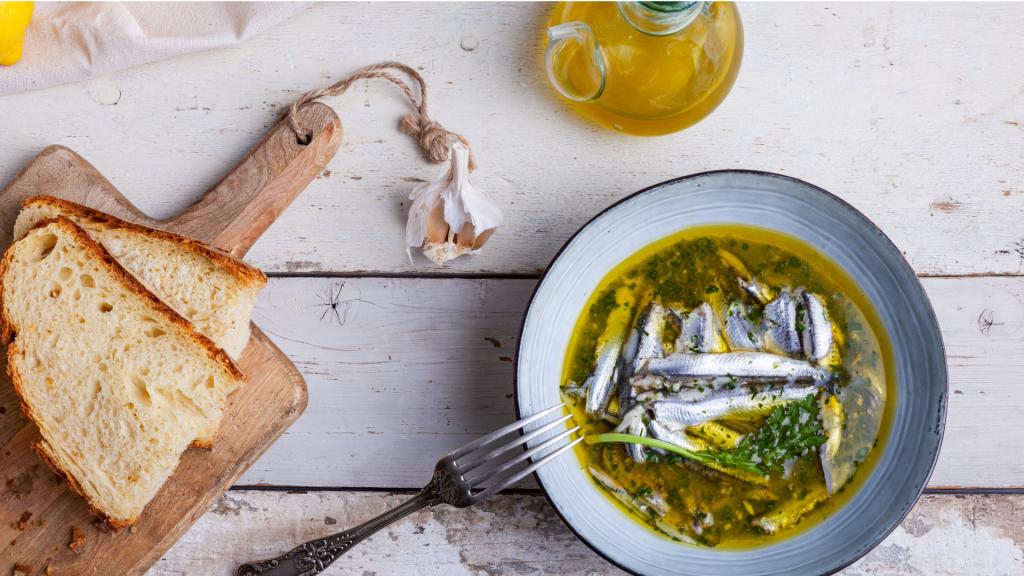
- Sardines
- Anchovies
- Mackerel
- Mussels and clams
- Pacific rockfish
These species tend to reproduce quickly, have lower environmental impact, and shine when prepared simply.
Get to Know Your Fishmonger
A trusted fishmonger is one of your greatest resources. Don’t be afraid to ask questions:
- Where was this fish caught or farmed?
- How was it harvested?
- What’s freshest today?
Building a relationship with someone who knows the product—and the source—can help you discover new species and better-quality seafood while avoiding unnecessary waste.
Fresh Isn’t Always Best
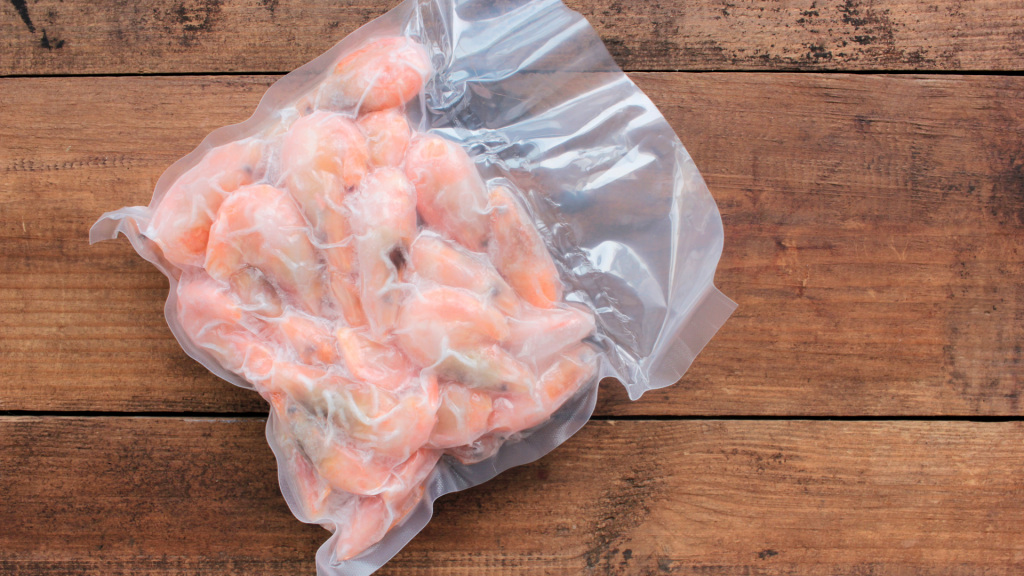
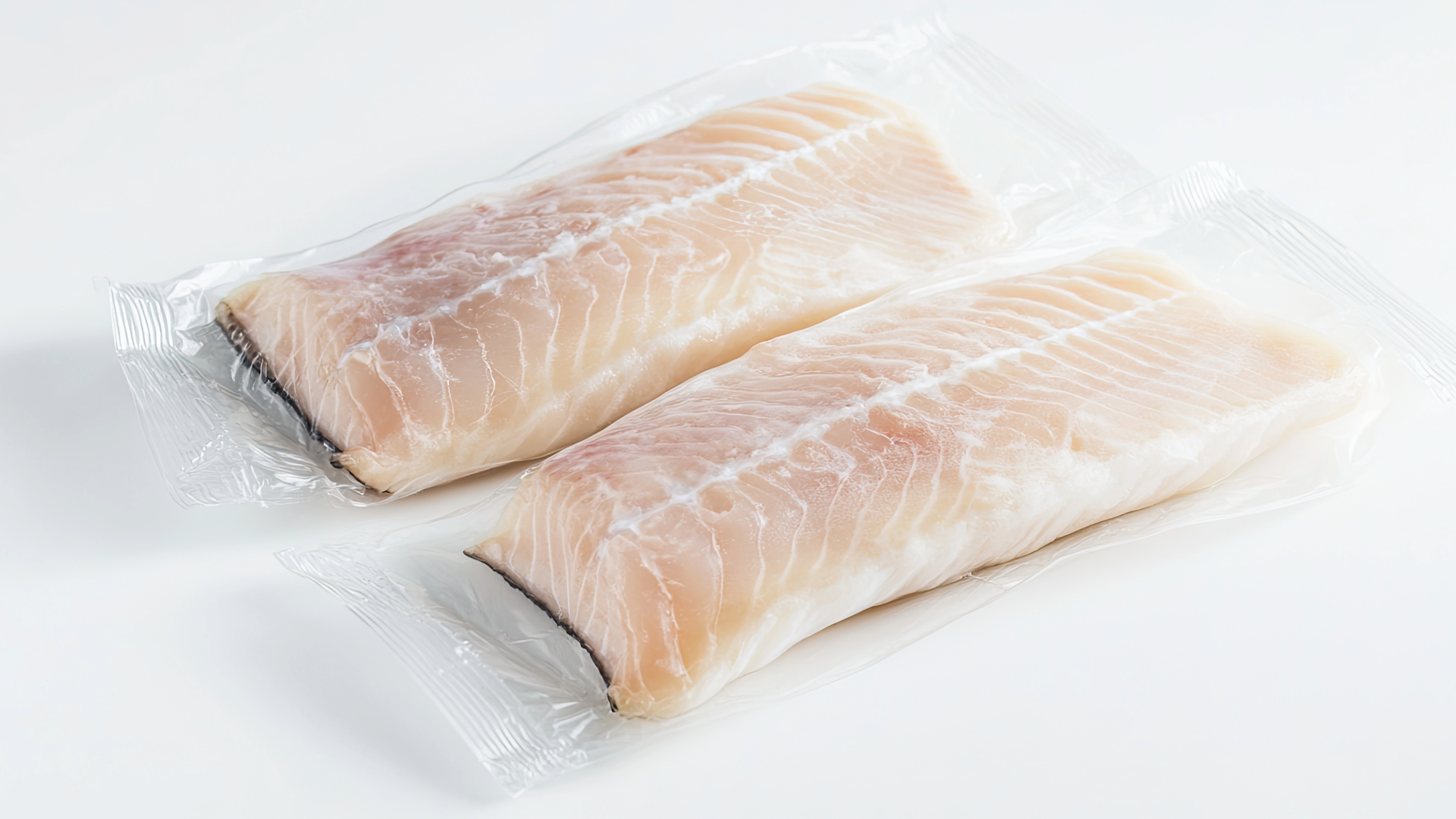
There’s a misconception that fresh seafood is always superior. In reality, frozen seafood can be an excellent—and often more sustainable—choice. Fish frozen at peak freshness on the boat or shortly after harvest can be just as flavorful as fresh, with the added benefit of longer shelf life and less waste.
Frozen seafood also allows access to responsibly sourced fish regardless of geography or season.


The Nose, Knows
One of the simplest ways to judge seafood quality is also one of the most overlooked: your nose.
A well-run seafood market should smell clean and neutral—like the ocean, not like fish. If you can smell the seafood before you even reach the counter, that’s usually a red flag. Strong, sour, or overly “fishy” odors often signal poor handling, improper storage, or seafood that’s past its prime.
Fresh seafood should never smell offensive. Fish should have a light, briny scent—think sea air, not ammonia. Shellfish should smell clean and fresh, with no sharp or sulfur-like notes.
The smell test applies beyond the market, too. If you bring seafood home and notice an unpleasant odor as soon as you open the package, it’s best not to cook it. When in doubt, trust your instincts.
Choosing seafood that smells clean isn’t just about flavor—it’s about safety, quality, and respect for the ingredient. Fresh, responsibly handled seafood starts with a market that takes pride in how it smells as much as how it looks.
Understanding Fish Fraud—and How to Avoid It
When a less expensive fish is substituted and sold as a more costly variety, it’s known as fish fraud. Unfortunately, it’s more common than many people realize—and I learned that lesson firsthand.
I wasn’t confused about what I ordered. I knew exactly what I asked for and what I paid for. Yet I still fell victim to a classic bait-and-switch. I ordered and paid $32 for two pounds of sea bass, only to get home and discover I had about $6 worth of a completely different fish—basa. It was a frustrating experience, but also an important one.
Fish fraud doesn’t always happen out of ignorance. Sometimes it’s the result of mislabeling further up the supply chain, but other times it’s simply dishonest substitution at the point of sale.


How to Protect Yourself
One of the best defenses against fish fraud is familiarity. Learning the look, texture, and structure of common fish—whether whole, filleted, or cut into steaks—goes a long way. Sea bass, halibut, cod, and snapper each have distinct characteristics, and the more often you handle and cook them, the easier it becomes to spot something that doesn’t match what you ordered.
This kind of substitution can happen anywhere—at seafood markets, grocery stores, and even restaurants—so building confidence as a buyer is key.
Watch for Labeling Red Flags
Fish fraud isn’t limited to substitutions. Misleading labels are another common issue. For example:
- Seafood labeled as “organic” is a red flag—there is no recognized organic certification for wild-caught fish.
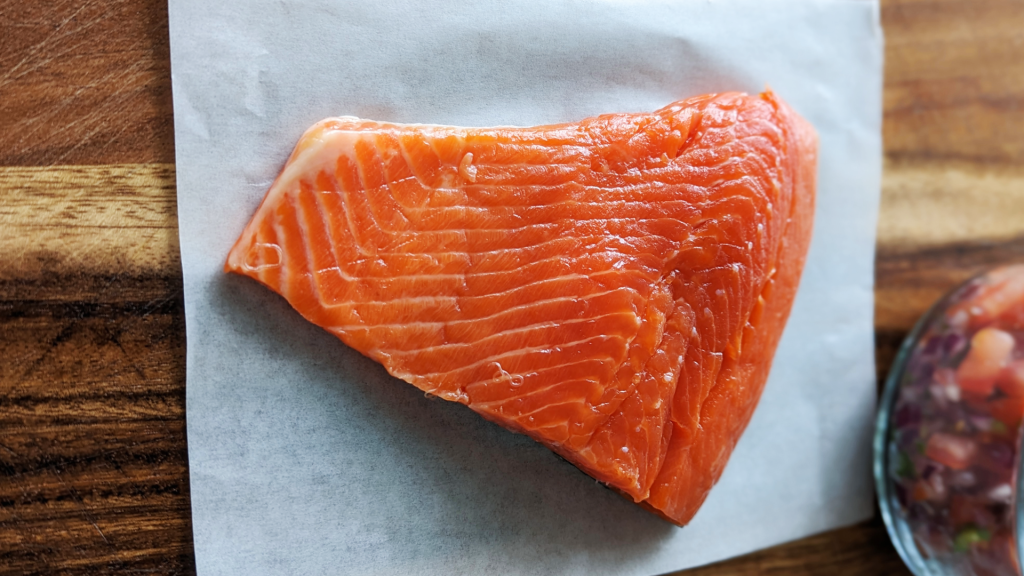
- “Wild Atlantic salmon” is another giveaway. Atlantic salmon are farmed today; truly wild salmon come from the Pacific.
When labels sound too good to be true or feel vague, it’s worth asking questions.
Speak Up When Something Feels Off
If you suspect fish fraud, don’t hesitate to raise the issue with the market or seller. Reputable fishmongers care deeply about their product and their reputation, and they should be willing to explain sourcing, pricing, and labeling. Speaking up not only protects you—it helps encourage transparency and accountability across the seafood system.
Choosing seafood thoughtfully means staying curious, asking questions, and trusting your instincts. The more informed we become as consumers, the harder it is for fish fraud to thrive.