
Lisbon has a way of pulling you in slowly — one hill at a time, one tiled street at a time, one glass of vinho verde at a time. It’s one of Europe’s oldest and most captivating cities, built on a series of rolling hills and framed by the Tagus River and the Atlantic beyond. And from the moment I arrived, I knew this would be a destination where food and history would share the spotlight.
On this journey, I wanted the classics — the traditional flavors Portugal is known for — but I also wanted hidden gems, local rituals, and the kind of experiences you don’t find by accident. So I did what I always do when I’m hungry for the real story: I hired a local guide and followed the coastline.
Quick Highlights
Must-try: Ginjinha + grilled sardines
Don’t miss: Alfama + Fado
Signature dish: Octopus cataplana
Wild moment: Percebes harvesting on the Atlantic coast
Watch the full Lisbon, Portugal episode of Appetite for Adventure on Tubi or Amazon Prime Video.

We met near the Tower of Belém, one of Portugal’s architectural jewels — a national monument built in the early 1500s as part of the Tagus River defense system. It’s historic, stunning, and quietly powerful — the kind of place that reminds you Lisbon has been shaping the world for centuries. And as we explored, the city started to reveal its rhythm: old-world tradition layered with modern life, and beauty waiting around every corner.

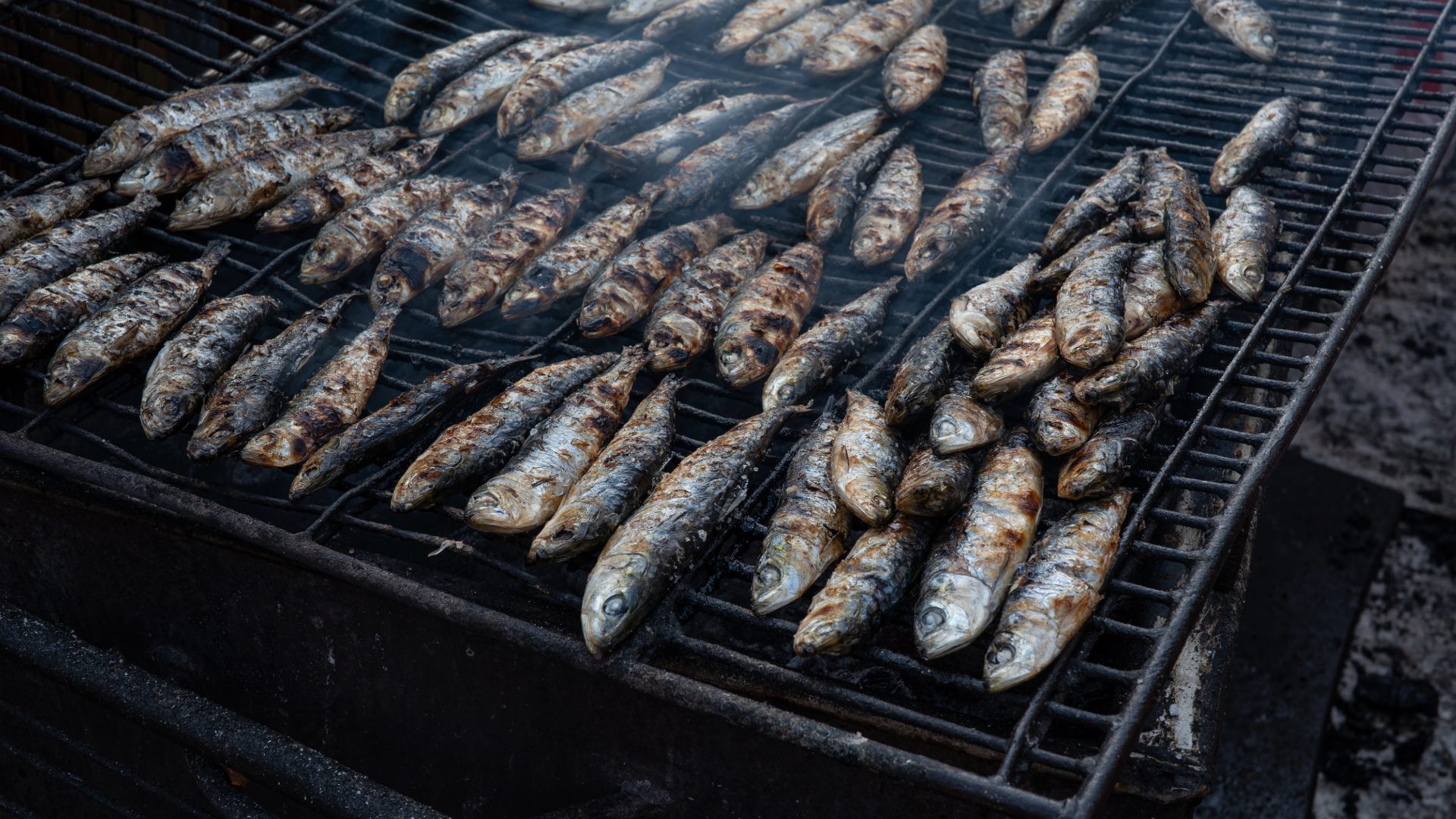
Portugal is famous for its seafood — especially mussels, cod, and sardines — and Lisbon delivers on all of it. The cheese is rich, the olive oil is golden, and the seafood is divine. It’s the kind of city where you can spend the day wandering, eating, sipping wine, and somehow still feel like you’re doing something culturally important.
With my guide Bruno leading the way, Lisbon unfolded like a love letter written in stone, salt air, and small surprises.
One of the things I love most about travel is discovering what people eat between the big meals — the snacks, the sips, the small traditions that make a place feel lived-in.
In Lisbon, roasted chestnuts aren’t just a seasonal snack — they’re part of the culture. Bruno explained that before potatoes arrived in Europe, chestnuts were used the way we use potatoes today: hearty, filling, and perfect for cold days. Warm, creamy, and unexpectedly comforting.
Next, we stopped for ginjinha, a sour cherry liqueur locals sip as a tradition — often after a meal. It’s sweet, spiced, and deceptively strong (the kind of drink that makes you feel like you might start speaking Portuguese after a few)

Alfama is Lisbon’s oldest neighborhood — narrow streets, winding paths, and the feeling that the city is showing you its original heartbeat. Bruno described it as a labyrinth, and he wasn’t wrong.
If you visit in June, Alfama comes alive with the Saint Anthony Festival — colorful decorations, street stalls, music, and (of course) sardines. It’s joyful, crowded, delicious, and unapologetically Lisbon.
And if you want a truly local night out? Alfama is also home to Fado dinners, where you eat slowly while traditional Portuguese folk music fills the room with stories of love, longing, and heartbreak.
As a chef, I always find myself looking for markets. They tell you everything: what’s seasonal, what’s prized, what’s actually being eaten.
We found a small fish shop and Bruno said it best: this was as fresh as fish can get in Portugal — likely caught that day, or within 24 hours. That’s the standard I love. That’s the kind of freshness that doesn’t need much help.
One of my favorite parts of this episode was the cooking lesson — because it wasn’t just about tasting Portugal. It was about learning it.
I was introduced to the cataplana pan, a traditional Portuguese vessel that’s essential to making the dish itself: no cataplana pan, no cataplana recipe.
For this version, we made cataplana with octopus (polvo). The technique was simple and brilliant — the octopus cooked first with onion, no water, no salt, letting the ingredients do what they’re meant to do.
Then came the build: onion, ripe tomatoes, peppers, garlic, bay leaf, ginger, parsley, sweet potato, olive oil — and finally the octopus, cut tentacle by tentacle. The cataplana cooks by steam once sealed, and about an hour later we had a dish that tasted like the coast itself: tender, aromatic, and deeply satisfying.
Lunch turned into hours — wine, ocean breeze, stories, and one of my favorite meals yet.

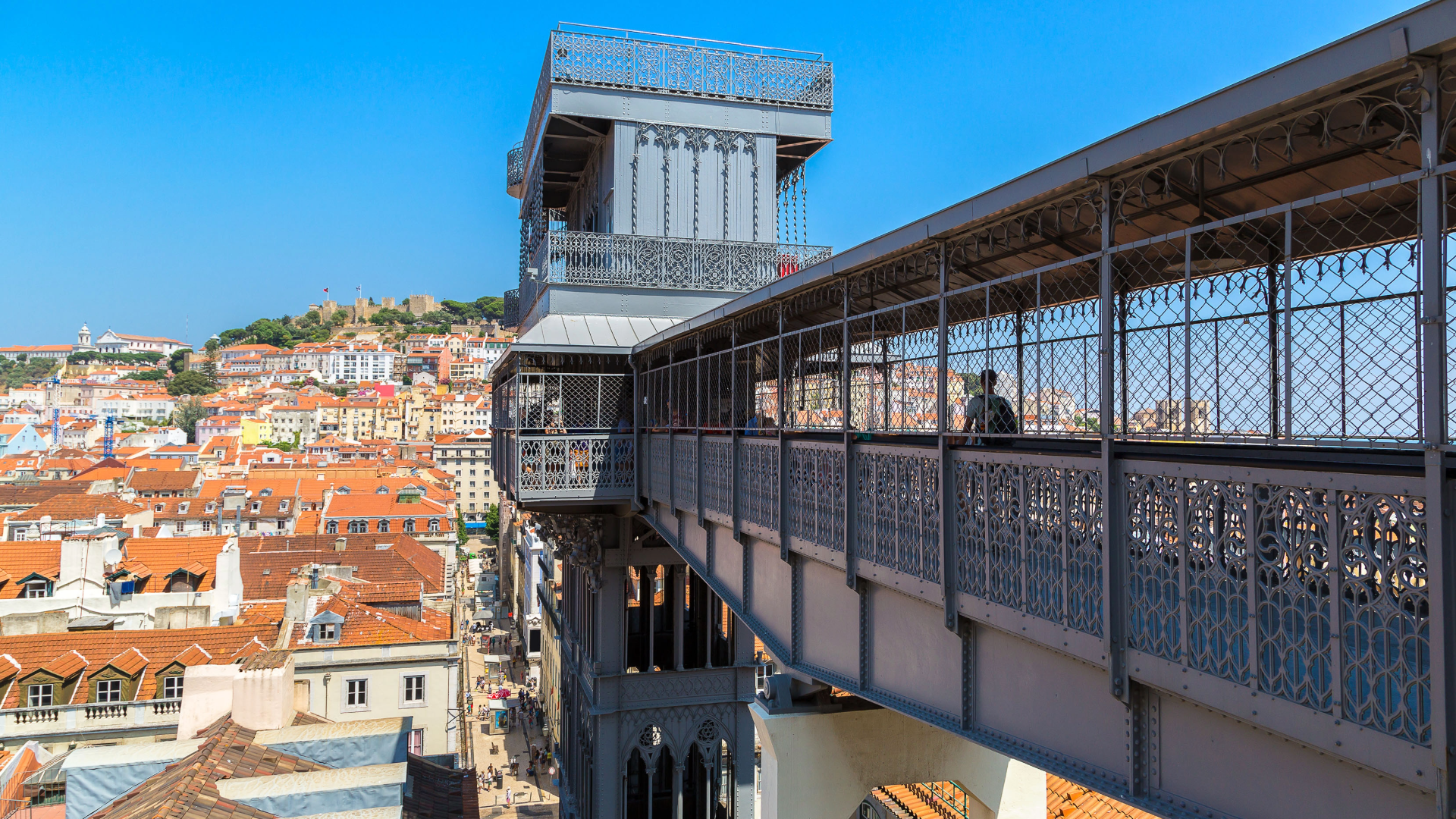
Lisbon is a city of hills — and the reward for climbing (or riding) is always a view.
The Santa Justa Lift gave us a breathtaking look over downtown Lisbon, the cathedral, and the river cutting through the landscape. Even for someone who’s not in love with heights… it was worth it.
About 30 miles outside the city, Lisbon’s energy gives way to something softer and almost surreal: Sintra — a place known for castles, palaces, and a kind of magic that feels suspended in time.
From there, we went deeper into the coast to Azenhas do Mar, a dramatic seaside village carved into the cliffs — one of those places that makes you stop mid-sentence because the view steals the conversation.
If Lisbon was the romance, this was the adrenaline.
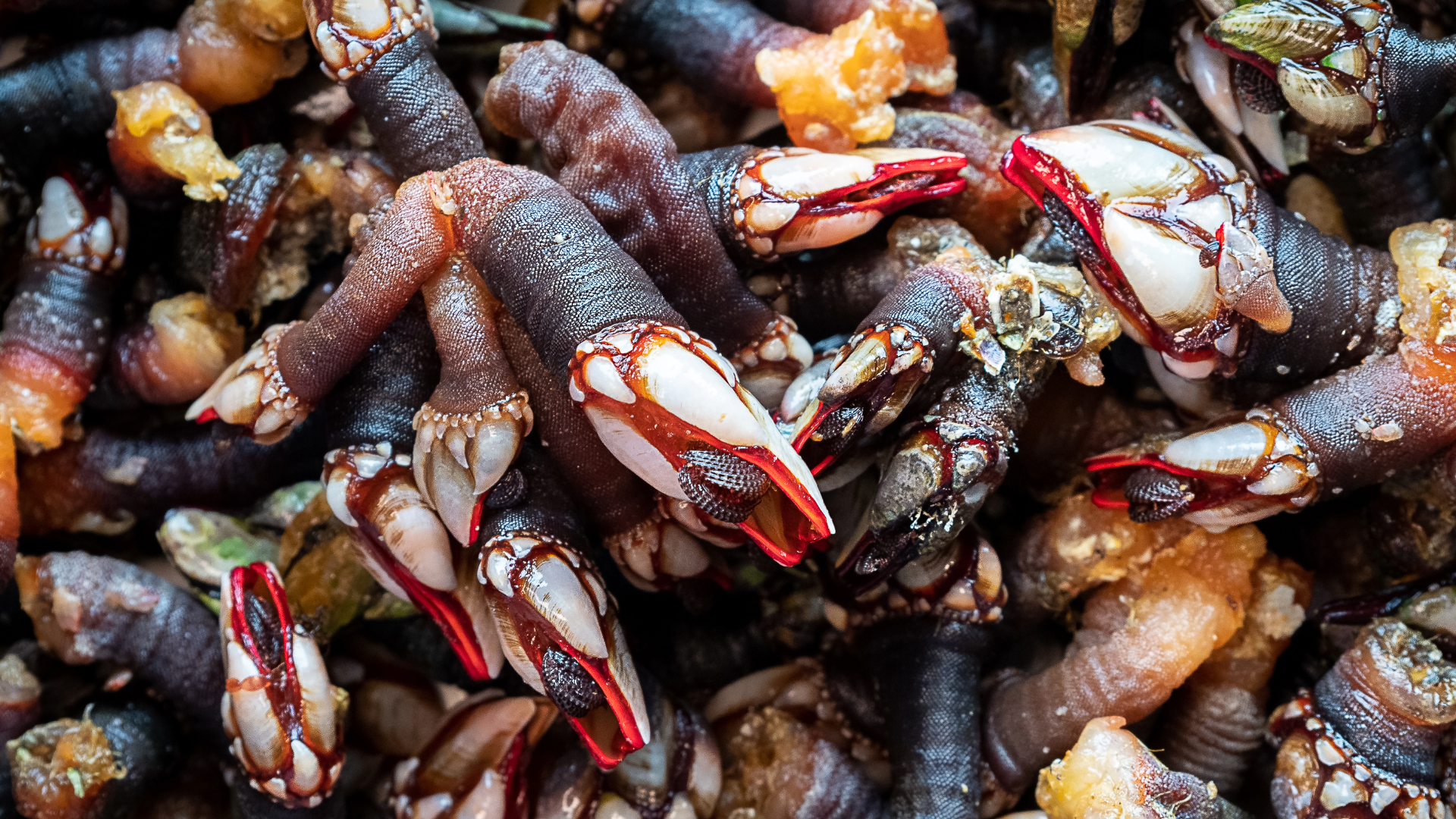
Percebes — goose barnacles — are one of Portugal’s most prized seafood delicacies, and harvesting them is not for the faint of heart. They grow in shallow, cold water where waves crash against the rocks, and getting them requires skill, timing, and a serious respect for the ocean.
With the conditions rough, I hesitated… but I went for it.
And I’m so glad I did.
Percebes are best eaten simply — steamed in seawater, nothing fancy — because the whole point is to let that briny, ocean flavor shine. Under the dark outer casing is tender, juicy flesh that tastes sweet and salty at once… honestly one of the most delicious things I’ve ever eaten.
This episode had everything I love: history, hidden corners, local traditions, fresh seafood, and a coastline that reminds you why the ocean has always been my greatest teacher.
Lisbon is soulful, cinematic, and full of flavor — and if you’ve ever dreamed of a European destination where food is the main event, this is your sign.
You’ve got to come to Lisbon.
If you enjoyed this taste of Lisbon, the full adventure is even better on screen — from the Tower of Belém to octopus cataplana to harvesting percebes in the Atlantic.